
Clear answers, with their sources
Pregnancy, labor and the first weeks: each article starts with the answer and lists the NHS, ACOG and other pages it is based on.
Labor

Braxton Hicks or Real Contractions? How to Tell Them Apart
Braxton Hicks tightenings have no pattern and often ease with rest, while labor contractions get longer, stronger and closer together. Timing them shows which.

Losing Your Mucus Plug: What It Looks Like, Bloody Show and When to Call
A mucus plug is thick, jelly-like mucus, clear, off-white or tinged pink or brown. How soon labor follows, how it differs from bloody show, and when to call.

Signs of Preterm Labor Before 37 Weeks, Braxton Hicks and What to Do
Signs of preterm labor before 37 weeks include regular tightenings, period-like cramps, a dull backache, pelvic pressure and leaking fluid. Call right away.

What Are the Signs That Labor Is Starting, and When Should You Call?
Regular contractions, losing your mucus plug, your water breaking and your baby dropping lower can all mean labor is near. You may not notice all of them.
What Are the Stages of Labor? From the First Contractions to the Placenta
Labor moves from contractions that open your cervix, to pushing and the birth of your baby, to the delivery of the placenta. How long each stage takes varies.

What Does the 5-1-1 Rule Mean? Timing Contractions Before You Call
5-1-1 means contractions 5 minutes apart, each lasting 1 minute, for 1 hour. It is a rule of thumb for active labor; your provider or midwife may use another.

What Happens in a Cesarean Birth? Reasons, the Operation and Recovery
In a cesarean, your baby is born through a cut in your belly and uterus, usually while you are awake. It can be planned or an emergency; recovery takes weeks.

What Happens in Early Labor, and How Can You Cope at Home?
In early labor your cervix softens and starts to open. It can take hours or days, and most people spend it at home, eating, resting and timing contractions.

What Is an Assisted Birth? Forceps and Vacuum Delivery Explained
In an assisted birth, forceps or a vacuum (a suction cup) help your baby out while you push. It is used when you or your baby need help at the end of labor.
What Is Labor Induction? Why It Is Offered and How It Is Done
Induction means starting labor with medicine, a balloon or by breaking the water instead of waiting. It is offered when waiting is riskier for you or baby.

What Pain Relief Can You Have in Labor? Epidural, Nitrous Oxide and More
Options range from breathing, massage and warm water to nitrous oxide, opioids and an epidural. Ask what your hospital offers, and keep an open mind on the day.

What Should You Do When Your Water Breaks? What to Check and When to Call
Call your provider, midwife or labor and delivery when your water breaks, even before contractions. Note the time, color and any smell; use a pad, not a tampon.
Movements

How Do You Track Your Baby's Movements? Get to Know Their Pattern
Get to know how your baby usually moves rather than aiming for a number. If movements slow down, stop or change, call your provider or midwife right away.

What Should You Do If Your Baby's Movements Slow Down?
Call your provider, midwife or labor and delivery right away, day or night, if your baby moves less than usual. Do not wait until the next day or use a doppler.
Getting ready

How Can a Birth Partner Help? Before the Birth and During Labor
A birth partner comforts, encourages and helps in practical ways: timing contractions, keeping energy up and knowing when to call. Plan it together beforehand.

How Can Breathing Help in Labor? A Simple Rhythm to Practice
Slow, steady breathing helps you stay calmer and cope with contractions: in gently through your nose, out slowly through your mouth. Practice before the birth.

How Do You Write a Birth Plan? What to Think About and Include
A birth plan records your wishes for labor and birth: where, who with, pain relief and your baby's first hours. Go through it with your provider or midwife.

Perineal Massage: When to Start, How to Do It and Whether It Works
Perineal massage usually starts at 34 or 35 weeks, a few minutes at a time, several times a week. How to do it, what the evidence shows, and who should skip it.

What Should You Pack in Your Hospital Bag? For Labor, After and Baby
Pack for labor, for after the birth and for your baby, plus a car seat. Have it ready 3 weeks before your due date: only 1 in 20 babies arrive on the day.
Your baby

Your body

How Much Exercise Is Safe During Pregnancy? What to Avoid and When to Stop
ACOG, the CDC and the WHO advise at least 150 minutes of moderate activity a week in a healthy pregnancy. What to avoid, who should not, and when to stop.

Is Sex Safe During Pregnancy? Bleeding After Sex and When to Avoid It
Yes, in a healthy pregnancy, ACOG says, right to the end. Why spotting after sex is common, when your doctor may advise against it, and what changes later on.
Pregnancy Weight Gain: How Much by BMI, by Trimester and With Twins
US guidance is 25 to 35 lb for one baby if your pre-pregnancy BMI was 18.5 to 24.9, less at a higher BMI. Ranges by BMI, per week, for twins, and the NHS view.

Safest Sleeping Position in Pregnancy: Side Sleeping From 28 Weeks
Go to sleep on your side, left or right. The NHS in the UK advises it from 28 weeks, as falling asleep on your back is linked to a higher risk of stillbirth.

When Do You Start Showing in Pregnancy? First and Later Pregnancies
There is no set week. The NHS says a small bump may show around week 13; a first pregnancy might not show until at least week 12, later ones may show sooner.
Symptoms

Back Pain and Sciatica in Pregnancy: What Helps and the Warning Signs
Ease back pain in pregnancy by changing how you sit, sleep and lift, with supportive shoes, heat or cold and exercise. How sciatica differs, and when to call.

Cramping in Early Pregnancy: What's Normal and When to Worry
Mild, period-like cramps are common in early pregnancy as the uterus grows. How to tell them from signs of miscarriage or ectopic pregnancy, and when to call.

Discharge in Pregnancy: What's Normal, What Colors Mean and When to Call
Thin, clear or milky white discharge with no bad smell is normal in pregnancy. What white, brown, watery, yellow or green discharge can mean, and when to call.

Early Signs of Pregnancy: The First Symptoms and When They Start
The most common early sign of pregnancy is a missed period, often with sore breasts, tiredness or nausea. When symptoms start and what implantation bleeding is.
Headaches During Pregnancy: Relief, Medicines and Preeclampsia Signs
Headaches are common in early pregnancy and usually ease later on. What helps, what ACOG and the NHS say about medicines, and when a headache needs a call.

Heartburn in Pregnancy: What Helps, Safe Antacids and Relief at Night
Small meals, staying upright after eating and a raised head at night ease most pregnancy heartburn. Which antacids are safe, which to avoid, and when to call.

Itching in Pregnancy: What Is Normal and When It Could Be Cholestasis
Itching affects about 1 in 4 pregnancies and is usually harmless. Itchy palms or soles, or itching that is worse at night, can be cholestasis: call right away.

Lightning Crotch in Pregnancy: What It Is and Whether It Means Labor
Lightning crotch is a brief, sharp, shooting pain in the vagina or pelvis, most common in the third trimester. Why it happens, if it means labor, and relief.

Morning Sickness: What Helps, When It Ends and When It's Hyperemesis
Small, bland meals, fluids, rest, ginger and vitamin B6 can ease morning sickness. When it usually ends, what ACOG and the NHS advise, and the signs of HG.
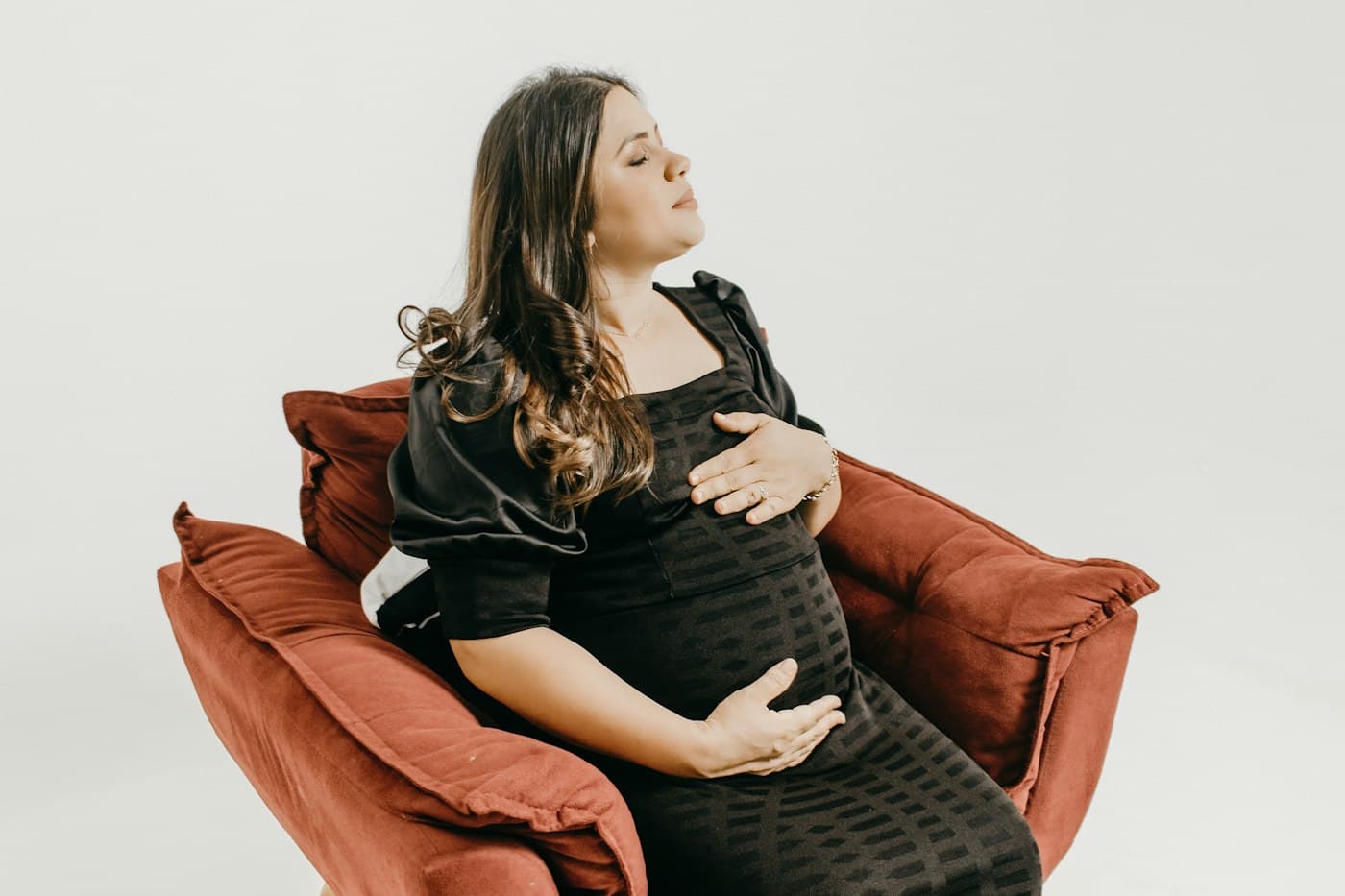
Pelvic Girdle Pain (SPD) in Pregnancy: Symptoms, What Helps and Birth
Pelvic girdle pain (SPD) is pain at the front or back of the pelvis in about 1 in 5 pregnancies. It does not harm the baby. Symptoms, what helps, and birth.
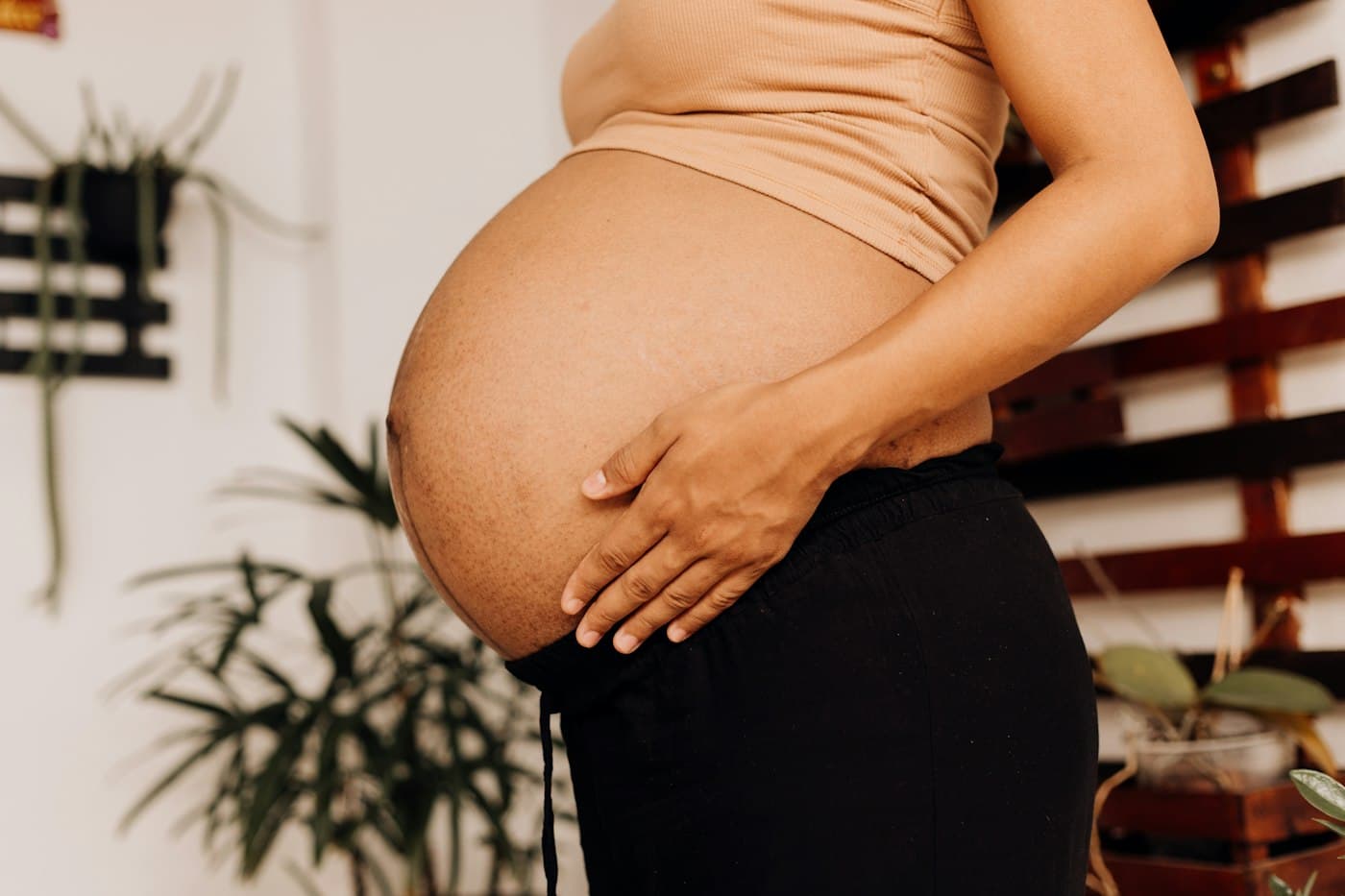
Round Ligament Pain: What It Feels Like, Where It Hurts and What Helps
Round ligament pain is a brief sharp, stabbing or pulling pain low in the belly or groin, usually in the second trimester. What eases it, and when to call.

Spotting During Pregnancy: Causes, Brown Blood and When to Call
Spotting is common in early pregnancy: ACOG says 15 to 25 in 100 have bleeding in the first trimester. What causes it, what brown spotting means, when to call.

Which Symptoms in Pregnancy Need a Call Straight Away?
Bleeding, leaking fluid, a bad headache, vision changes, sudden swelling, intense itching, fever or fewer movements all need a call to your provider or midwife.
Health

Can You Dye Your Hair While Pregnant? First Trimester, Highlights, Bleach
Yes, for most people. ACOG and the NHS say hair dye is unlikely to harm your baby, as little passes through the scalp. Waiting to 12 weeks, highlights, bleach.

Gestational Diabetes: Symptoms, Who Is at Risk, Diet and After the Birth
Gestational diabetes is high blood sugar that starts in pregnancy, usually without symptoms. Who is at risk, the test, diet, the baby and testing after birth.

Is Tylenol Safe During Pregnancy? The Autism Question, the FDA and ACOG
ACOG and the UK's MHRA say acetaminophen (Tylenol) is still the first choice for pain and fever in pregnancy. What the FDA said about autism in 2025, and why.

Miscarriage Risk by Week: How the Chance Falls as Pregnancy Goes On
Miscarriage risk is highest early and falls each week. In one study of women with no symptoms, it was 1.5% after a heartbeat at 8 weeks. Risk by age and signs.

Preeclampsia Symptoms: When It Starts, After the Birth and Low-Dose Aspirin
Preeclampsia can cause a headache that won't go away, vision changes, upper belly pain and sudden swelling, or no symptoms at all. When it starts, when to call.
Tests and scans

Group B Strep in Pregnancy: The 36-Week Swab, Labor Antibiotics and the UK
Group B strep is a common bacterium in the vagina and rectum. The US tests everyone at 36 to 37 weeks, the UK goes by risk; antibiotics in labor protect babies.
hCG Levels by Week: Normal Ranges, Doubling Time and What the Numbers Mean
Normal hCG ranges are wide: 5 to 426 mIU/mL at 4 weeks and 18 to 7,340 at 5 weeks, says Cleveland Clinic. How fast hCG rises and what low or high levels mean.

NIPT Test: When You Can Have It, How Accurate It Is and What It Shows
NIPT is a blood test from 10 weeks that screens placental DNA for Down syndrome and other chromosome conditions. How accurate it is and if it shows the sex.

Nuchal Translucency Scan: When It's Done and What the Measurement Means
A nuchal translucency scan measures fluid at the back of your baby's neck at 11 to 14 weeks to screen for Down syndrome. When it's done, what the numbers mean.

The 20-Week Anatomy Scan: What They Check, How Long It Takes, the Sex
The anatomy scan at 18 to 22 weeks checks your baby's organs, growth, placenta and fluid. What they look for, how long it takes and if you can find out the sex.

The Glucose Test in Pregnancy: One-Step, Two-Step, Results and What to Eat
The glucose test checks for gestational diabetes, usually at 24 to 28 weeks. How the one-step and two-step tests work, what results mean and what to eat before.

When to Take a Pregnancy Test: Timing, Time of Day and False Negatives
Most home pregnancy tests are reliable from the first day of a missed period. When to test with irregular periods, the best time of day, and false negatives.
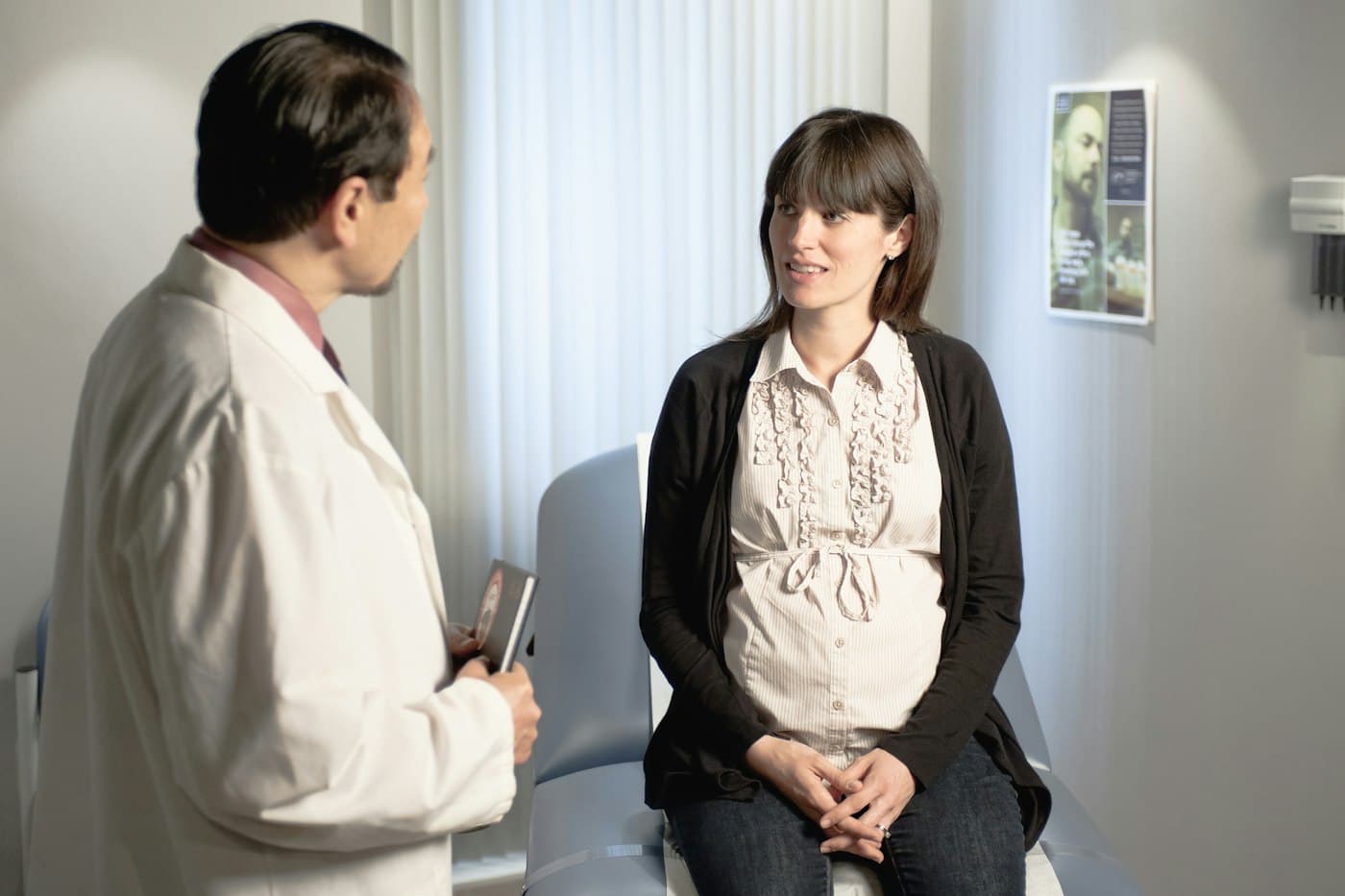
Your First Prenatal Appointment: When to Book, Tests and What to Ask
Your first prenatal visit covers your health history, a physical exam, blood and urine tests and your due date. When to book it, what to bring and what to ask.
Food and drink

How Much Caffeine Is Safe During Pregnancy? What 200 mg Looks Like
The NHS says no more than 200 mg a day; ACOG puts moderate intake under 200 mg, about one 12-ounce coffee. Caffeine in tea, decaf, soda and energy drinks.

What Foods Should You Avoid While Pregnant? Deli Meat, Cheese and Eggs
Raw or undercooked meat, fish and eggs, unpasteurized milk, unheated deli meat and refrigerated smoked fish. What ACOG, the CDC and the NHS advise, and why.

What Should a Prenatal Vitamin Contain? The Nutrients and Daily Amounts
At least 400 mcg of folic acid, plus iron, iodine and vitamin D. The daily amounts ACOG, the CDC and the NHS advise, when to start, and what to leave out.

Which Seafood Is Safe in Pregnancy? Shrimp, Sushi, Tuna and Mercury
Cooked, low-mercury fish such as salmon, shrimp and canned light tuna, 8 to 12 oz a week, says the FDA. Which fish to avoid, plus sushi and tuna limits.
After the birth

C-Section Recovery: How Long It Takes, Week by Week, Scar, Driving, Lifting
You should manage most regular activities 4 to 8 weeks after a C-section. What to expect week by week, scar care, driving, lifting and the warning signs.

How Does Your Body Recover After Birth? Bleeding, Stitches and Checks
Bleeding, soreness and stitches heal over days to weeks, with a check in the weeks after. Some symptoms, like heavy bleeding or chest pain, need a call at once.

Signs of Postpartum Depression: Baby Blues or PPD, When It Starts, Help
Postpartum depression is low, anxious or hopeless mood lasting over 2 weeks after birth. How it differs from baby blues, when it starts, and where to get help.

What Can You Expect in the First Days at Home With Your Baby?
Expect feeds every 1 to 3 hours, diapers that show feeding is going well, lots of sleep in short stretches, and checks from your baby's doctor or midwife.

What Happens in the First Hour After Birth? Skin to Skin and Checks
Your baby is dried, checked and, if all is well, placed skin to skin on your chest. The first feed, the placenta, vitamin K and any stitches follow after that.