Which Seafood Is Safe in Pregnancy? Shrimp, Sushi, Tuna and Mercury
Cooked, low-mercury fish such as salmon, shrimp and canned light tuna, 8 to 12 oz a week, says the FDA. Which fish to avoid, plus sushi and tuna limits.
Not yet medically reviewed. This article sums up published guidance from the sources at the end. It is not medical advice: follow your own midwife or doctor.
On this page
Which fish and seafood are safe in pregnancy?
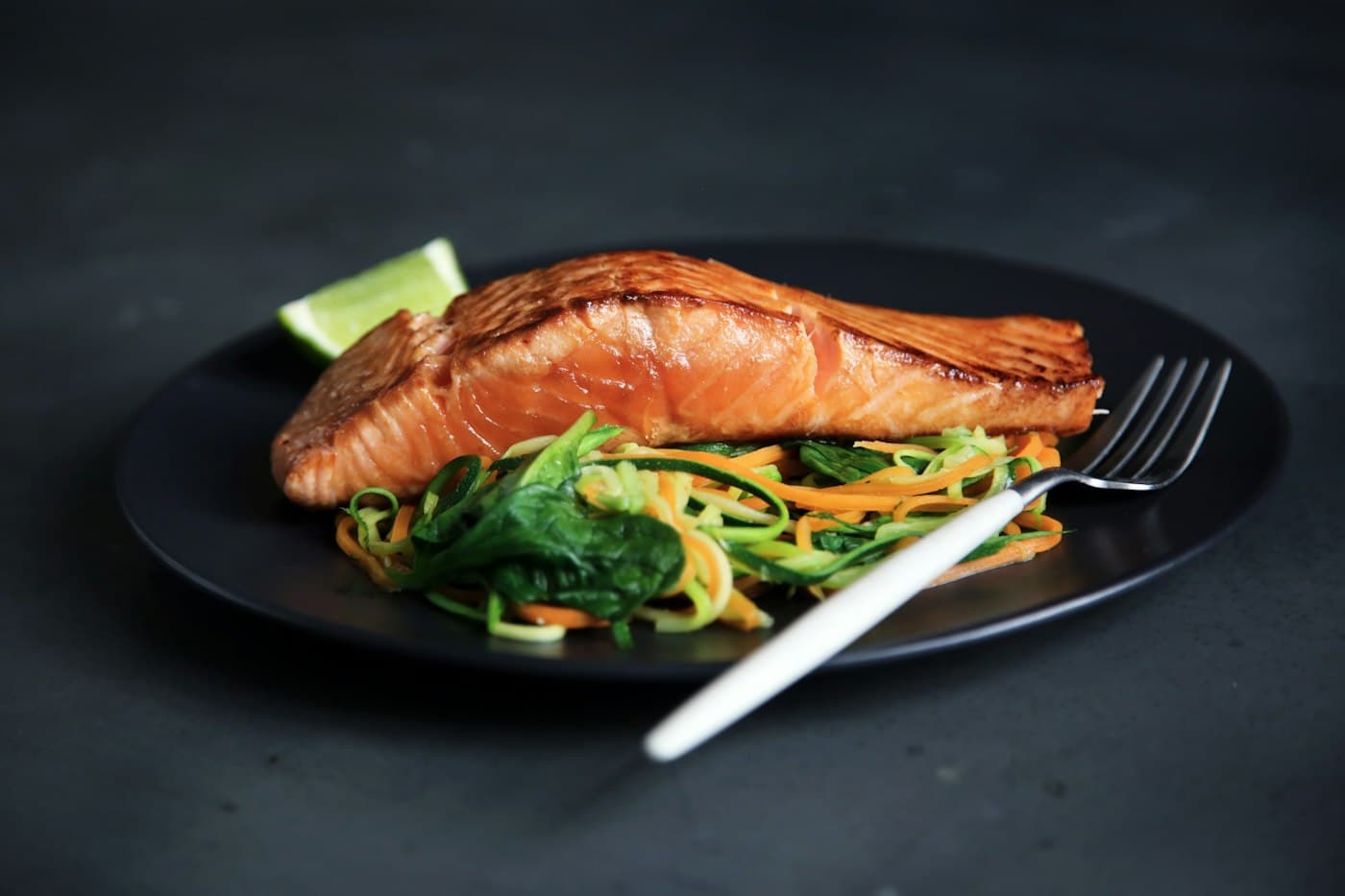
Fully cooked fish and shellfish that are low in mercury are safe in pregnancy, according to the FDA and ACOG. The FDA and EPA advise 2 to 3 servings a week, 8 to 12 ounces (227 to 340 g) in total, from their Best Choices list, which includes salmon, shrimp, cod, tilapia, sardines and canned light tuna.
The two concerns are mercury, which builds up more in larger fish, and germs in raw or undercooked seafood. FoodSafety.gov says all seafood dishes should be cooked to 145°F (63°C), and ACOG advises avoiding raw fish and shellfish, including sushi.
| Seafood | Examples | How much in pregnancy |
|---|---|---|
| Best Choices (FDA) | Salmon, shrimp, cod, tilapia, canned light tuna, sardines, pollock, catfish, crab, scallops | 2 to 3 servings (8 to 12 oz) a week |
| Good Choices (FDA) | Albacore (white) tuna, yellowfin tuna, halibut, mahi mahi, snapper, grouper | 1 serving (4 oz) a week, and no other fish that week |
| Choices to Avoid (FDA) | King mackerel, marlin, orange roughy, shark, swordfish, tilefish from the Gulf of Mexico, bigeye tuna | Do not eat |
| Raw fish and shellfish | Sushi or sashimi with raw fish, raw oysters, clams or scallops, ceviche | Avoid (ACOG, FoodSafety.gov) |
| Refrigerated smoked fish | Lox, nova-style or kippered fish | Only canned, shelf-stable or cooked in a dish to 165°F (74°C) |
How much fish should you eat while pregnant?
The FDA advises 8 to 12 ounces (227 to 340 g) a week, which is 2 to 3 servings of 4 ounces (113 g), and ACOG gives the same 2 or 3 servings. The FDA measures a serving before cooking and says 4 ounces is about the size and thickness of an adult's palm.
The FDA recommends fish in pregnancy because moderate scientific evidence shows it can help your baby's cognitive development, and says fish provide omega-3 fats (DHA and EPA), iron, iodine and choline. Most pregnant people eat less than advised: the FDA puts the average at 4.2 ounces (119 g) a week. Whether to add DHA from a supplement is covered in what a prenatal vitamin should contain.
The FDA says that if you weigh less than 165 pounds (75 kg), eating smaller portions or just 2 servings a week from the Best Choices list keeps your mercury intake within its advice. If you don't eat fish, the FDA says you can still have a healthy baby.
In the UK, the NHS advises 2 portions of fish a week, 1 of them oily, such as salmon, sardines or mackerel. It says to have no more than 2 portions of oily fish a week, because oily fish can contain pollutants.
Can you eat shrimp while pregnant?
Yes, if it is cooked. The FDA lists shrimp as a Best Choice, the lowest-mercury group, along with crab, lobster, clams, oysters and scallops.
The NHS says cooked shellfish, including prawns, crab, lobster, mussels, scallops and clams, is safe to eat, but that cold, pre-cooked ready-to-eat prawns should be cooked until steaming hot first. FoodSafety.gov lists raw oysters, raw clams and raw scallops among the foods to avoid, and the NHS says raw shellfish can contain bacteria or toxins that can make you seriously unwell.
Can you eat sushi while pregnant?
Only sushi made with cooked fish or shellfish, according to ACOG and the NHS. ACOG says not to eat sushi made with raw fish, and that cooked sushi is safe.
ACOG explains that raw fish, including sushi and sashimi, is more likely to contain parasites or bacteria than fully cooked fish. FoodSafety.gov's list of raw seafood to avoid adds ceviche. The NHS says to avoid sushi made with raw fish even if the fish was frozen first.
Smoked salmon needs care too. FoodSafety.gov says refrigerated smoked seafood, often labeled nova-style, lox, kippered, smoked or jerky, carries a real risk of Listeria. It is fine if it is canned, shelf-stable, or cooked in a dish such as a casserole to 165°F (74°C). The NHS likewise says cold-smoked and cured fish must be cooked until steaming hot.
How much tuna can you eat while pregnant?
It depends on the type: the FDA puts canned light tuna in its Best Choices group, so it can make up your 2 to 3 servings a week; albacore (white) and yellowfin tuna are Good Choices, at 1 serving a week and no other fish that week; and bigeye tuna is on the avoid list.
The FDA says albacore typically contains three times more mercury than canned light tuna. ACOG's limit for white (albacore) tuna is 6 ounces (170 g) a week. In the UK, the NHS says to eat no more than 4 cans of tuna or 2 tuna steaks a week.
Which fish are highest in mercury?
King mackerel, marlin, orange roughy, shark, swordfish, tilefish from the Gulf of Mexico and bigeye tuna are the fish the FDA lists as highest in mercury. ACOG lists the same species to avoid, and the NHS says to avoid shark, swordfish and marlin.
The FDA says methylmercury, the form found in fish, can harm the brain and nervous system if a person is exposed to too much of it over time. It builds up more in larger fish that eat other fish and in fish that live longer. Cooking or cleaning fish does not reduce the mercury, according to the FDA.
If you have already eaten one serving from the avoid list, the FDA says there is no need to be concerned; choose lower-mercury fish from then on. For fish caught by family or friends, check local advisories. Where there is no advice, the FDA says to eat no more than one serving, up to 6 ounces (170 g), and no other fish that week. Deli meats, soft cheeses and other foods to watch are in foods to avoid during pregnancy.
When should you call your doctor or midwife?
- If you have symptoms of listeriosis. ACOG lists fever, chills, muscle aches, diarrhea or upset stomach, and sometimes a stiff neck, headache, confusion or loss of balance. ACOG says symptoms may appear as late as 2 months after eating contaminated food, and that the infection can pass to your baby even if you do not feel very sick.
- If you ate a food involved in a Listeria outbreak, even without symptoms. ACOG says your ob-gyn can help decide whether you need testing.
- If vomiting and diarrhea from food poisoning last more than 48 hours, or you feel unwell after eating something you should have avoided. In the UK the NHS says to get help from 111.
Sources
- FDAAdvice about Eating Fish
- FDAQuestions & Answers from the FDA/EPA Advice about Eating Fish for Those Who Might Become or Are Pregnant or Breastfeeding and Children Ages 1 to 11 Years
- ACOGHealthy Eating During Pregnancy
- ACOGCan I eat sushi while I’m pregnant?
- ACOGListeria and Pregnancy
- FoodSafety.govPeople at Risk: Pregnant Women
- NHSFoods to avoid in pregnancy
- NHSHave a healthy diet in pregnancy
Last checked .
Written by the MyPregnancy editorial team from the sources above.