What Foods Should You Avoid While Pregnant? Deli Meat, Cheese and Eggs
Raw or undercooked meat, fish and eggs, unpasteurized milk, unheated deli meat and refrigerated smoked fish. What ACOG, the CDC and the NHS advise, and why.
Not yet medically reviewed. This article sums up published guidance from the sources at the end. It is not medical advice: follow your own midwife or doctor.
On this page
What foods should you avoid while pregnant?
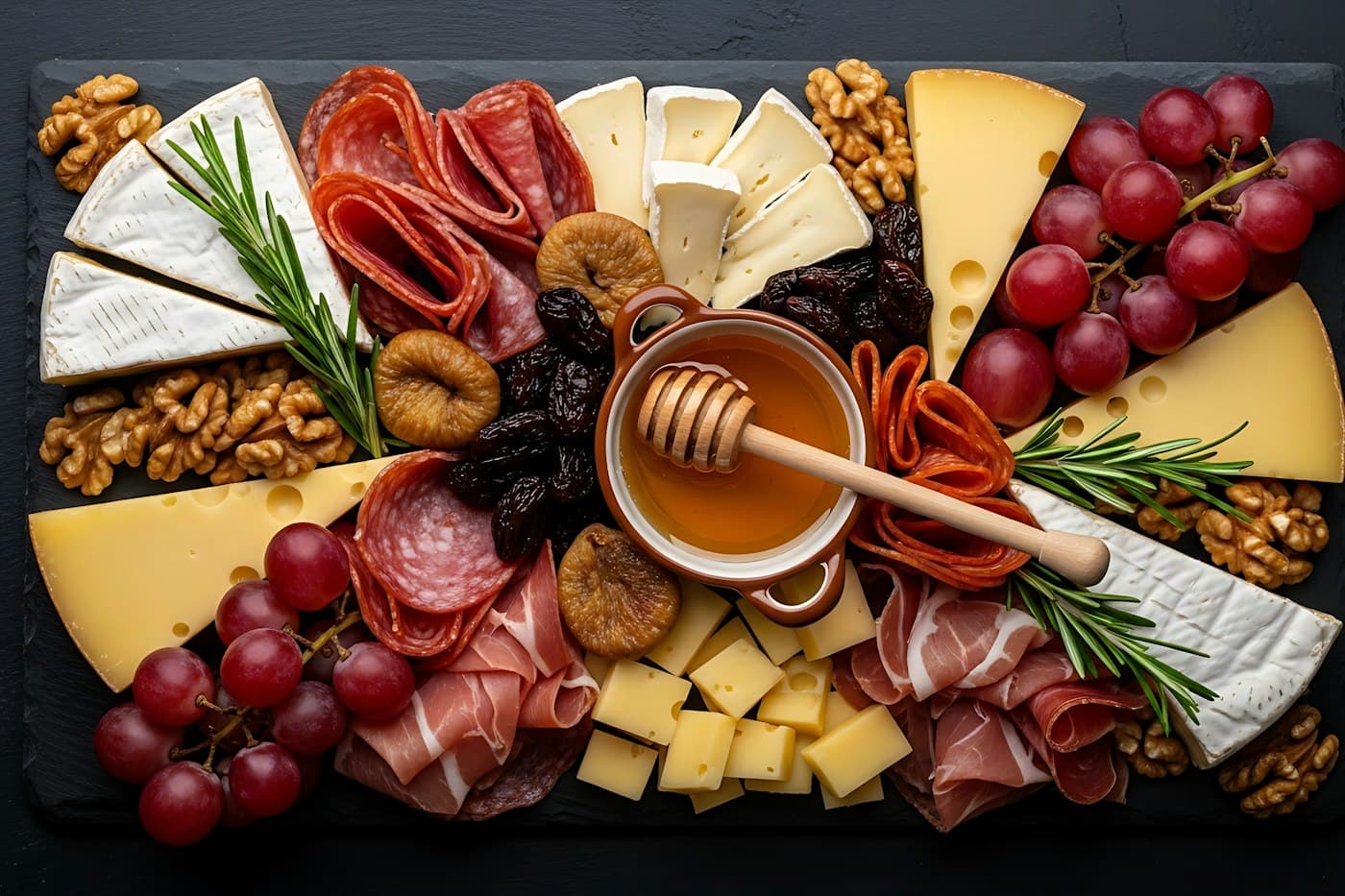
ACOG advises avoiding raw and undercooked meat, poultry, seafood and eggs, raw (unpasteurized) milk and soft cheeses made from it, hot dogs and luncheon meats unless heated until steaming hot, refrigerated pâté and meat spreads, and refrigerated smoked seafood. The CDC adds raw sprouts, premade deli salads and queso fresco-type cheeses. The CDC says there is no known safe amount of alcohol, and ACOG says research suggests less than 200 mg of caffeine a day does not cause miscarriage or preterm birth.
ACOG lists most of these foods because they can carry Listeria, a bacterium that causes a serious food poisoning called listeriosis. FoodSafety.gov says Listeria and Toxoplasma can infect the fetus even if you do not feel sick, and the FDA says changes to the immune system in pregnancy make foodborne illness more likely.
ACOG says cooking and pasteurization are the only ways to kill Listeria. US and UK advice differ on several of these foods.
| Food | US advice (ACOG, CDC, FoodSafety.gov) | UK advice (NHS) |
|---|---|---|
| Deli meat, cold cuts, hot dogs | Heat to 165°F (74°C) or until steaming hot | Cold cooked meats such as ham: keep chilled, eat by the use-by date; cured meats such as salami: cook until steaming hot |
| Soft cheese | Pasteurized is fine, except queso fresco-type cheeses, which need heating to 165°F (74°C) | Brie, camembert and soft blue cheeses must be cooked, pasteurized or not |
| Unpasteurized milk and cheese | Avoid raw milk; raw-milk cheese only if heated to 165°F (74°C) | Avoid unpasteurized milk; unpasteurized hard cheeses are fine |
| Eggs | Cook until yolks and whites are firm | Hen eggs with the UK-only British Lion or Laid in Britain mark can be runny or raw; other eggs well cooked |
| Refrigerated smoked fish | Only canned, shelf-stable or in a dish cooked to 165°F (74°C) | Cook until steaming hot |
| Pâté | Avoid refrigerated pâté; shelf-stable is safer | Meat pâté: keep chilled, eat by the use-by date |
| Alcohol | No known safe amount (CDC) | Avoid |
| Caffeine | Moderate intake is less than 200 mg a day (ACOG) | No more than 200 mg a day |
Can you eat deli meat while pregnant?
Yes, if it is heated until steaming hot. The CDC says to reheat deli meat, cold cuts, hot dogs and fermented or dry sausages to 165°F (74°C) or until steaming hot, and FoodSafety.gov says to do this even when the label says precooked.
The CDC also says to avoid premade deli salads, such as coleslaw, potato, tuna or chicken salad, and to choose homemade ones instead.
The NHS is less strict on cold cooked meats such as ham or chicken: keep them chilled and eat them before the use-by date. It says cold cured meats such as salami, pepperoni, chorizo and prosciutto should be cooked until steaming hot, since they may contain Listeria and cured meat carries a small risk of toxoplasmosis, which can cause miscarriage. The NHS also says to avoid liver and liver products, which have high levels of vitamin A that can harm your baby, and game meats, which may contain lead.
For fresh meat and poultry, FoodSafety.gov says to cook it to the USDA's safe minimum internal temperature, checked with a food thermometer.
Which cheeses are safe during pregnancy?
Hard cheeses made with pasteurized milk, such as cheddar, parmesan and Swiss, are on the CDC's list of safer choices, along with pasteurized cottage cheese, cream cheese, string cheese, feta and mozzarella.
ACOG and the CDC differ slightly on queso fresco-type cheeses. ACOG says soft cheeses made with pasteurized milk are safe to eat. The CDC and FoodSafety.gov say to avoid queso fresco, queso blanco and requesón even when made with pasteurized milk, unless heated to 165°F (74°C) or until steaming hot, and to avoid any cheese made with raw milk unless heated the same way.
The NHS goes by the type of soft cheese. Brie, camembert, chèvre and soft blue cheeses such as gorgonzola must be thoroughly cooked, whether pasteurized or not, while pasteurized soft cheeses without a white rind, including mozzarella, feta, paneer, ricotta and halloumi, are fine. Any cheese cooked until steaming hot is safe, according to the NHS.
Can you eat eggs while pregnant?
Yes, cooked. FoodSafety.gov says to cook eggs until the yolks and whites are firm, and to cook dishes containing eggs to 160°F (71°C), because undercooked eggs may contain Salmonella.
FoodSafety.gov lists foods that may contain raw egg, including homemade eggnog, raw batter, homemade Caesar dressing, tiramisu, eggs Benedict, homemade ice cream and fresh hollandaise, and says foods made with raw or lightly cooked eggs should use only pasteurized eggs. The FDA notes that most store-bought Caesar dressing, premade cookie dough and packaged eggnog are made with pasteurized eggs. Raw dough is still a problem: FoodSafety.gov says flour has not been treated to kill germs such as E. coli.
In the UK, the NHS says hen eggs with the red British Lion stamp or the Laid in Britain logo can be eaten raw or runny, because they are less likely to contain Salmonella. Both are UK schemes. Under the NHS advice, hen eggs without either mark, and duck, goose and quail eggs, should be well cooked.
Why is listeria dangerous in pregnancy?
ACOG says Listeria can reach your baby even if you do not feel very sick, and that listeriosis can cause miscarriage, stillbirth or preterm labor. You are more likely to get it during pregnancy than the average healthy adult, ACOG adds, probably because of changes in the immune system.
Listeria infection is rare: the CDC says about 1 in 25,000 pregnant women in the US are infected each year, and that 1 in 4 who get this illness lose the pregnancy or the baby shortly after birth. ACOG says symptoms can take up to 2 months to appear.
If you have already eaten something on the list, the NHS says a small amount is unlikely to affect your baby if you did not get ill.
What drinks and other foods should you avoid while pregnant?
Avoid alcohol, high-mercury and raw fish, unpasteurized juice, raw sprouts and cut melon left out too long; the NHS also sets daily limits for caffeine and herbal tea.
- Alcohol. The CDC says there is no known safe amount of alcohol in pregnancy and no safe time to drink, and that all types, including wine and beer, can be harmful.
- Caffeine. ACOG says research suggests less than 200 mg a day, about one 12-ounce cup of coffee, does not cause miscarriage or preterm birth, and the NHS says to have no more than 200 mg a day. Tea, soda and energy drinks are compared in caffeine during pregnancy.
- High-mercury fish and raw fish. Which fish to eat and which to skip is in seafood during pregnancy.
- Herbal teas. The NHS says to have no more than 4 cups a day and to avoid teas containing liquorice root.
- Unpasteurized juice and cider. FoodSafety.gov says to choose a pasteurized version, or bring it to a rolling boil for at least 1 minute.
- Raw sprouts. The CDC says to eat sprouts only when cooked until steaming hot.
- Cut melon. The CDC says to avoid cut melon left out for more than 2 hours, or 1 hour above 90°F (32°C).
- Supplements. Which vitamins to take and which to skip is in what a prenatal vitamin should contain.
When should you call your doctor or midwife?
- If you have symptoms of listeriosis. ACOG lists fever, chills, muscle aches, diarrhea or upset stomach, and sometimes a stiff neck, headache, confusion or loss of balance. The CDC says early treatment can help save your baby.
- If you ate a food involved in a Listeria outbreak, even without symptoms. ACOG says your ob-gyn can help monitor your symptoms and decide whether you need testing.
- If vomiting or diarrhea lasts more than 48 hours, or you feel unwell after eating something you should have avoided. In the UK, the NHS says to get help from 111 for these and for symptoms of listeriosis or toxoplasmosis.
- If you think you may be dehydrated. ACOG says dehydration can be dangerous for you and your baby.
- If you are finding it hard to stop drinking. The CDC says to contact your healthcare provider, and that it is never too late to stop.
Sources
- ACOGListeria and Pregnancy
- CDCPreventing Listeria Infection
- CDCPeople at Increased Risk for Listeria Infection
- FoodSafety.govPeople at Risk: Pregnant Women
- FDAPeople at Risk of Foodborne Illness
- NHSFoods to avoid in pregnancy
- CDCAbout Alcohol Use During Pregnancy
- ACOGHow much coffee can I drink while I'm pregnant?
Last checked .
Written by the MyPregnancy editorial team from the sources above.