Cramping in Early Pregnancy: What's Normal and When to Worry
Mild, period-like cramps are common in early pregnancy as the uterus grows. How to tell them from signs of miscarriage or ectopic pregnancy, and when to call.
Not yet medically reviewed. This article sums up published guidance from the sources at the end. It is not medical advice: follow your own midwife or doctor.
On this page
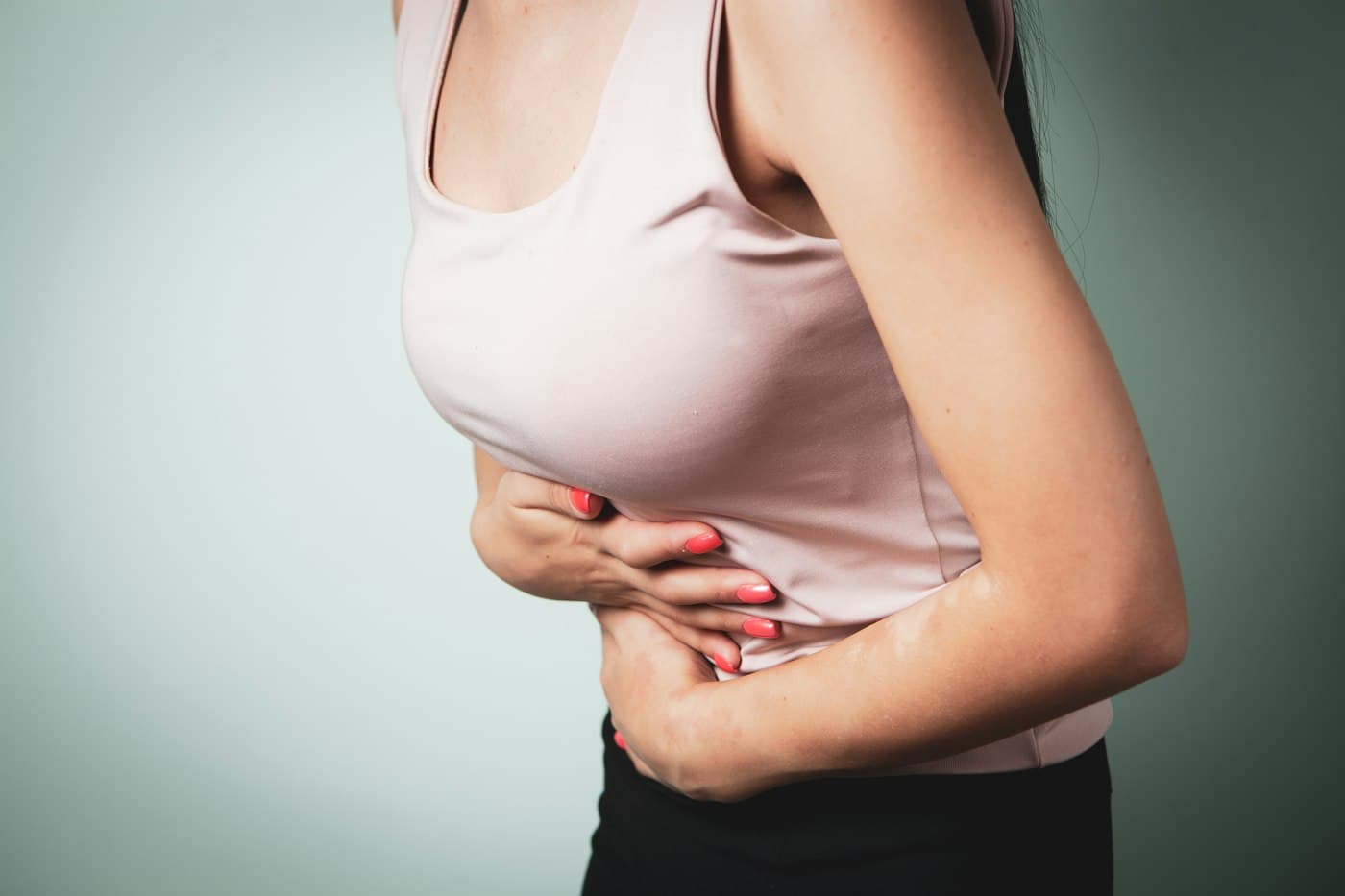
Is cramping normal in early pregnancy?
Mild cramping is common in early pregnancy and is usually harmless. Cleveland Clinic and the NHS both say mild cramps are usually nothing to worry about, though the NHS adds that stomach pain can sometimes be a sign of something more serious that needs to be checked.
By the NHS's rule of thumb, pain that is mild and goes away when you change position, rest, poop or pass gas is probably harmless. Cramping that comes with bleeding, sits low on one side, or is severe needs a call to your doctor or midwife right away.
| What you notice | What it can be | What to do |
|---|---|---|
| Brief, mild, period-like cramps low in the belly | The uterus growing (Cleveland Clinic) | Rest or change position; call if you are worried (NHS) |
| Very light cramping with pink or brown spotting around when your period is due | Implantation (Cleveland Clinic) | Tell your doctor or midwife (ACOG); call if the bleeding is heavy or has clots, or you have cramping and pain (Cleveland Clinic) |
| Mild pain that eases after you poop or pass gas | Constipation or trapped gas (NHS) | Probably nothing to worry about (NHS) |
| Belly pain with pain when you pee, or needing to pee more often | A urinary tract infection (NHS) | Call your doctor or midwife right away; UTIs need treatment (NHS, Cleveland Clinic) |
| Cramping with spotting or bleeding | Can be a sign of miscarriage or ectopic pregnancy (ACOG) | Call your doctor or midwife right away (ACOG, NHS) |
| Pain low on one side | Can be a sign of ectopic pregnancy (ACOG, NHS) | Call your doctor or midwife right away (ACOG) |
| Sudden, severe pain, shoulder pain, or feeling weak, faint or very dizzy | Can be a ruptured ectopic pregnancy (ACOG, NHS) | Go to the ER or call 911 (999 in the UK) |
Why does early pregnancy cramping feel like a period?
Cleveland Clinic says you may feel mild, period-like cramps low in your abdomen in the first trimester because your uterus is growing. It describes cramps as a tightness or gripping sensation. Bloating, which Cleveland Clinic says can make your belly feel full and tight, is very common in pregnancy too, especially in the first trimester, because pregnancy hormones slow digestion.
Some people feel very light cramping even earlier, at implantation, when the fertilized egg attaches to the lining of the uterus. Cleveland Clinic says implantation bleeding usually happens about 10 to 14 days after ovulation, mostly before a missed period, and that any cramping with it should be very light or mild and less intense than period cramps. ACOG says light bleeding or spotting can occur 1 to 2 weeks after fertilization for the same reason, which spotting during pregnancy covers.
What else can cause cramps in early pregnancy?
Constipation, trapped gas, stretching ligaments and urinary tract infections can all cause belly pain in pregnancy, according to the NHS. The NHS names the first three as harmless and says constipation is common in pregnancy. Cleveland Clinic says constipation can feel like fullness, pressure and cramping in the abdomen.
Ligament pain, which the NHS says is often called growing pains, can feel like a sharp cramp on one side of your lower belly as the ligaments stretch to support your growing bump. Cleveland Clinic says round ligament pain is most common in the second trimester. One-sided belly pain can also be a sign of an ectopic pregnancy, so the NHS says to get medical advice if you have it and think you might be pregnant.
A urinary tract infection needs treatment. The NHS says UTIs are common in pregnancy, can usually be easily treated, and can cause belly pain and sometimes, though not always, pain when you pee. Without treatment, Cleveland Clinic says, a UTI can lead to complications such as a kidney infection.
Can cramping be a sign of miscarriage?
Cramping together with bleeding can be a sign of miscarriage. ACOG lists bleeding and cramping as signs of early pregnancy loss, which it defines as loss in the first 13 weeks and says happens in about 10 in 100 known pregnancies. The NHS says cramping pains and bleeding before 24 weeks can sometimes be a sign of miscarriage, or of a threatened miscarriage, where you bleed but the pregnancy normally continues.
A small amount of bleeding early in pregnancy is common and does not necessarily mean you will have a miscarriage, according to ACOG, which says to contact your ob-gyn right away if the bleeding is heavy or comes with a pain like menstrual cramps.
If a pregnancy is lost, ACOG says that in almost every case it is not the pregnant person's fault, and that working, exercising, stress, arguments, sex and morning sickness do not cause miscarriage. How the risk changes week by week is in miscarriage risk by week.
What are the signs of an ectopic pregnancy?
An ectopic pregnancy can start with the usual signs of pregnancy plus abnormal bleeding, low back pain, mild pain in the belly or pelvis, or mild cramping on one side of the pelvis. ACOG says an ectopic pregnancy grows outside the uterus, more than 90% of the time in a fallopian tube, and that early on it may feel like a typical pregnancy with some of these extra signs, which can start before you know you are pregnant. If you have bleeding or pain in your belly, pelvis or shoulder, ACOG says to call your ob-gyn right away.
The NHS says ectopic symptoms usually develop between the 4th and 12th weeks of pregnancy. Besides belly pain low down on one side, it lists shoulder tip pain, felt where the shoulder ends and the arm begins, and discomfort on the toilet: pain or pressure in your bottom when you poop, pain when you pee, or diarrhea. Shoulder tip pain can be a sign of internal bleeding from an ectopic pregnancy and needs medical advice right away, the NHS says.
About half of women who have an ectopic pregnancy have no known risk factors, according to ACOG. As the pregnancy grows it can rupture the fallopian tube, which ACOG says can cause major internal bleeding and be a life-threatening emergency. For sudden, severe pain in the abdomen or pelvis, shoulder pain, or weakness, ACOG says to go to an emergency room. The NHS says to call 999 or go to A&E for a sharp, sudden, intense pain in your belly with feeling very dizzy, fainting or feeling sick.
When should you worry about cramping in early pregnancy?
Cramping in early pregnancy needs a call to your doctor or midwife right away when it comes with bleeding, sits low on one side, is severe, or does not settle with rest.
Call your doctor or midwife right away, or go to the hospital, if you have cramping or stomach pain and:
- any vaginal bleeding or spotting
- pain low down on one side of your belly
- pain that is severe, or that does not go away after 30 minutes (Cleveland Clinic) or after 30 to 60 minutes of rest (NHS)
- pain when you pee, needing to pee suddenly or more often, or pee that looks cloudy, pink, red or brown
- vaginal discharge that is unusual for you, or fluid leaking from your vagina
- lower back pain, or regular cramping or tightenings
- a fever or chills
In the UK, the NHS says to call your maternity unit, or your GP or an early pregnancy unit if you are under 20 weeks, and 111 if your maternity unit is not available. ACOG also says to call your ob-gyn if you have a gush of fluid from your vagina, even without pain or bleeding, or if tissue passes from your vagina.
The NHS says to call your maternity unit if you have stomach pains and are worried. If you have not had your first visit yet, NICHD says providers usually schedule it after the eighth week but may see you sooner for symptoms such as spotting, bleeding or stomach pain; the first prenatal appointment explains what happens there. Check with your doctor, midwife or pharmacist before taking any painkiller for cramps.
Sources
- ACOGBleeding During Pregnancy
- ACOGEarly Pregnancy Loss
- ACOGEctopic Pregnancy
- NHSStomach pain in pregnancy
- NHSEctopic pregnancy - Symptoms
- Cleveland ClinicAbdominal or Belly Pain & Cramps During Pregnancy
- Cleveland ClinicImplantation Bleeding: Causes, Symptoms & What To Expect
- NICHDWhat happens during prenatal visits?
Last checked .
Written by the MyPregnancy editorial team from the sources above.