What Happens in the First Hour After Birth? Skin to Skin and Checks
Your baby is dried, checked and, if all is well, placed skin to skin on your chest. The first feed, the placenta, vitamin K and any stitches follow after that.
Not yet medically reviewed. This article sums up published guidance from the sources at the end. It is not medical advice: follow your own midwife or doctor.
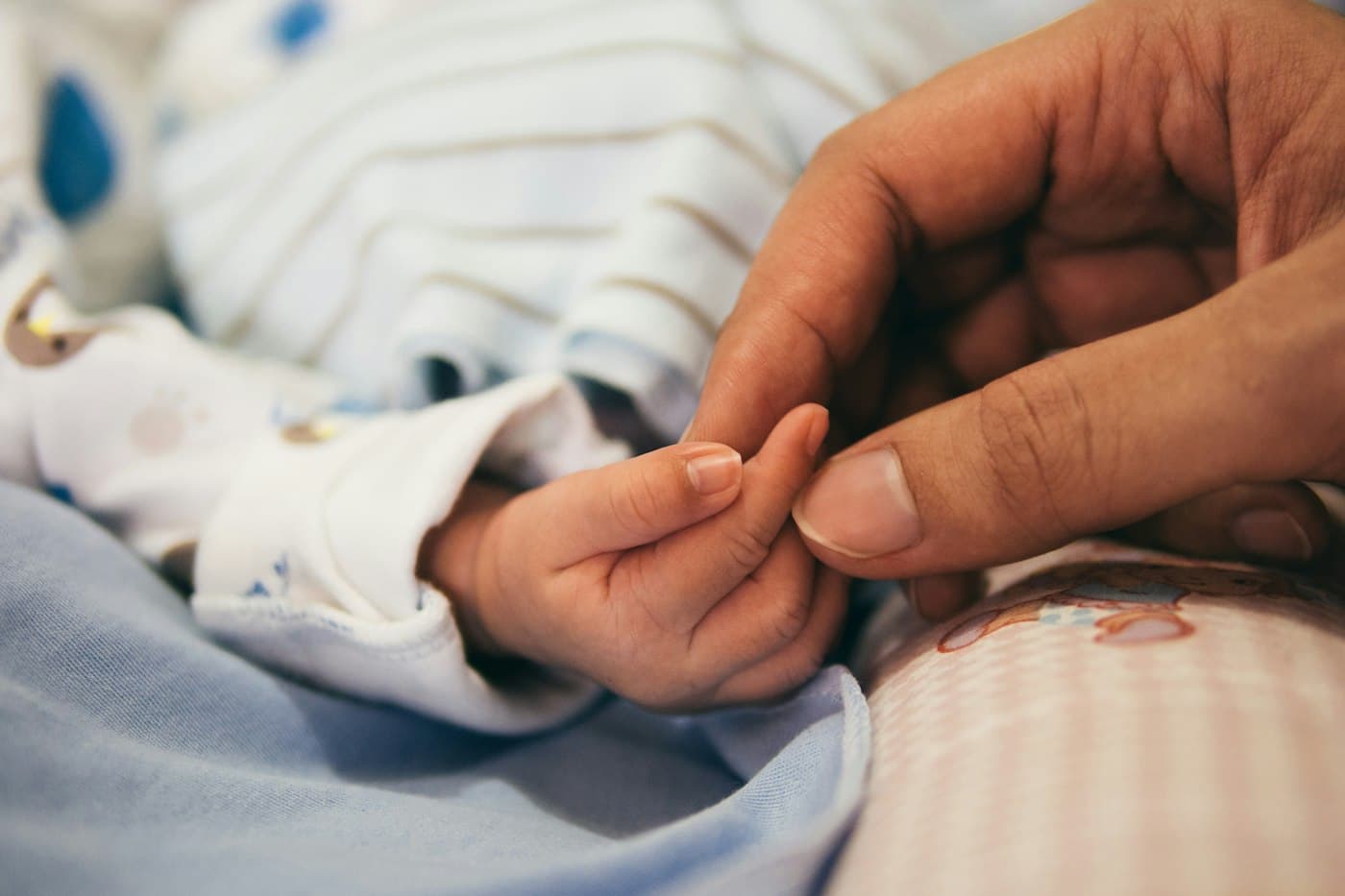
Straight after the birth, your baby is dried and their breathing is checked. If all is well, they can be placed on your chest, skin to skin.
Skin-to-skin
Holding your baby against your bare skin right after birth helps them start to breastfeed. It triggers reflexes that help your baby latch on.
The first feed
A healthy newborn can usually breastfeed within an hour of birth. Your nurses can help with positioning. You can also ask about rooming in, where your baby stays in your room instead of the nursery, which makes feeding easier.
Checks on your baby
Your baby will be offered a vitamin K shot, which protects against dangerous bleeding caused by low vitamin K. Breastfeeding during and after the shot can comfort your baby.
Usually in the first 24 to 48 hours, your baby will also have newborn screening: a few drops of blood from the heel, a hearing test, and a sensor on the skin that measures oxygen levels. You do not need to ask for these.
Delivering the placenta
Soon after the birth, the umbilical cord is cut. If you or your partner want to do this, tell your provider. Within about 5 to 30 minutes, contractions start again and the placenta is delivered. Once it is out, labor is over. You may have chills or feel shaky. Your provider then repairs any tear or episiotomy.
In a cesarean, your provider cuts the cord and removes the placenta during the operation. You can hold and feed your baby once you are both ready.
Sources
- WHOEssential newborn care
- NHSWhat happens straight after the birth?
- NHSThe stages of labour and birth
- NHSBreastfeeding: the first few days
- NHSEarly days
- ACOGBreastfeeding Your Baby
- ACOGHow soon after delivery can I breastfeed?
- ACOG8 Common Questions About Newborn Screening Tests
- CDCFrequently Asked Questions About Vitamin K Deficiency Bleeding
- Office on Women's HealthLabor and birth
Last checked .
Written by the MyPregnancy editorial team from the sources above.