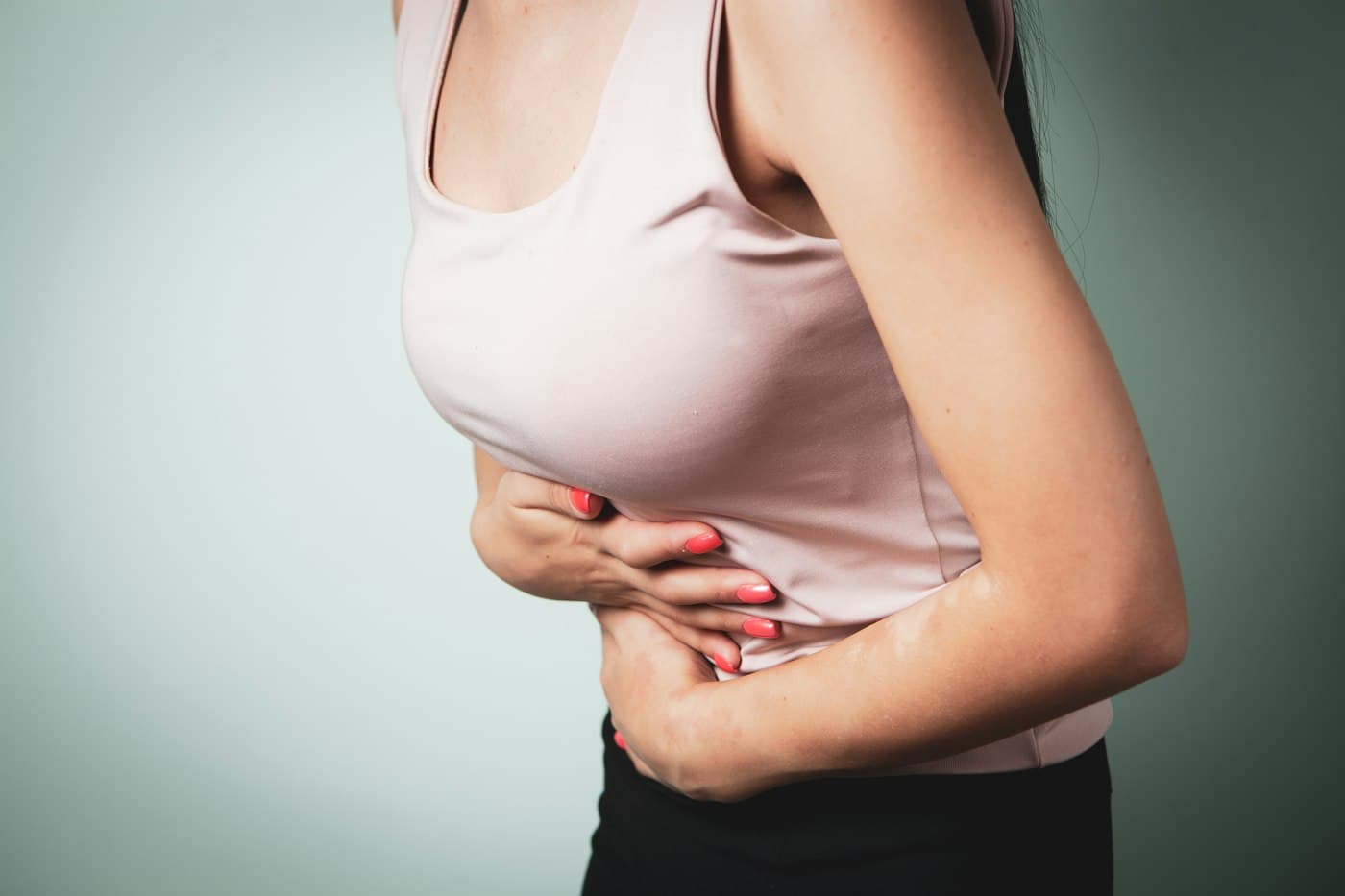
Pelvic Girdle Pain (SPD) in Pregnancy: Symptoms, What Helps and Birth
Pelvic girdle pain (SPD) is pain at the front or back of the pelvis in about 1 in 5 pregnancies. It does not harm the baby. Symptoms, what helps, and birth.
Not yet medically reviewed. This article sums up published guidance from the sources at the end. It is not medical advice: follow your own midwife or doctor.
On this page
What is pelvic girdle pain or SPD in pregnancy?
Pelvic girdle pain (PGP) is pain in the joints at the front or back of the pelvis during pregnancy, and it used to be called symphysis pubis dysfunction (SPD). The Royal College of Obstetricians and Gynaecologists (RCOG) says it can affect the sacroiliac joints at the back, the symphysis pubis joint at the front, or both, and can spread to the hips or thighs.
The NHS says PGP comes from stiff pelvic joints or from the joints moving unevenly at the back or front of the pelvis. Cleveland Clinic explains that the hormone relaxin, which your body may start making as early as 10 weeks, relaxes the ligaments in the joint between your left and right pelvic bones, and that the extra weight you carry puts more pressure on the pelvic joints.
PGP can be very painful for you but will not harm your baby, the RCOG says. The RCOG puts it at 1 in 5 pregnant women and the NHS at up to 1 in 5, and European guidelines on pelvic girdle pain give close to 20%. Cleveland Clinic gives a higher estimate of about 1 in 4.
| Question | What the guidance says |
|---|---|
| How common is it? | 1 in 5 pregnant women (RCOG); up to 1 in 5 (NHS); about 1 in 4 (Cleveland Clinic) |
| Can it harm the baby? | No (RCOG, NHS) |
| What helps? | Early physiotherapy, exercises, a support belt or crutches, and changes to how you move (NHS, RCOG) |
| Can you have a vaginal birth? | Most people with PGP can (NHS, RCOG) |
| Does it go away after birth? | Usually; around 1 in 10 women have ongoing pain (RCOG) |
What are the symptoms of pelvic girdle pain?
Pelvic girdle pain can be felt over the pubic bone, across one or both sides of the lower back, in the perineum (between the vagina and anus) or down the thighs, according to the NHS. The RCOG adds pain in the hips, groin and knees, and both mention a clicking or grinding in the pelvis that some people feel or hear.
The NHS and the RCOG say movement can make it worse, in particular:
- walking, especially on uneven ground or for long distances
- going up or down stairs
- standing on one leg, as when you get dressed
- turning over in bed
- moving your knees apart, as when you get out of a car
- sex (RCOG)
Cleveland Clinic also describes a feeling that the pelvis is loose and wobbly. PGP ranges from mild to severe and is more common later in pregnancy, the RCOG says. If your pain sits higher in your back or runs down one leg, back pain and sciatica in pregnancy covers those.
What helps pelvic girdle pain?
For most women, early diagnosis and treatment should stop PGP symptoms getting worse, relieve the pain and help them carry on with everyday activities, the RCOG says. It says to tell your midwife or doctor about the pain, that you should be offered an appointment with a physiotherapist (a physical therapist in the US), and that PGP is not something you have to put up with until the birth.
The NHS says physiotherapy can include exercises to strengthen your pelvic floor, stomach, back and hip muscles, plus equipment such as crutches or a pelvic support belt. The RCOG lists hands-on treatment, warm baths, heat or ice packs, hydrotherapy and acupuncture, and says treatment is safe at any stage during or after pregnancy. In a 2015 Cochrane review, evidence from single studies suggested that acupuncture improves pregnancy-related pelvic pain.
Day to day, the NHS and the RCOG suggest you:
- keep active, avoid what makes the pain worse, and rest when you can
- put equal weight on each leg when you stand, and wear supportive shoes
- sit down to get dressed
- keep your knees together getting in and out of the car, and when you turn over in bed
- sleep with a pillow between your legs and under your bump
- change position often; the RCOG suggests not sitting for more than 30 minutes at a time
- avoid heavy lifting, frequent stairs, crossing your legs, and carrying a toddler on one hip
Cleveland Clinic says joint-friendly exercise such as swimming suits SPD better than cycling or weight-bearing exercise, and that SPD should not need bed rest.
What if pelvic girdle pain is severe?
If PGP is severe and you feel you are struggling, the RCOG says to talk to your midwife and doctor. It says paracetamol (acetaminophen in the US) is safe in pregnancy and may help if taken regularly, and that your doctor will discuss stronger pain relief if you need it. Check with your doctor, midwife or pharmacist before taking any medicine; acetaminophen in pregnancy covers what ACOG and the FDA say.
The RCOG also suggests crutches or a wheelchair for short periods, help with housework and shopping, and talking to your employer about less sitting and no heavy lifting. If you are in extreme pain or can barely move, you may be offered a stay on the antenatal (prenatal) ward for physiotherapy and pain relief, according to the RCOG.
Pregnancy raises the risk of blood clots in the legs and very limited movement raises it further, the RCOG notes. If your movement is very limited, it says you will be advised to wear compression stockings and may need heparin injections.
Can you have a vaginal birth with pelvic girdle pain?
Yes: the NHS and the RCOG both say most women with PGP can have a vaginal birth. The RCOG says a C-section is not normally needed for PGP, that there is no evidence it helps, and that it may slow your recovery. Most women with PGP do not need an induction either, according to the RCOG.
The NHS suggests writing PGP into your birth plan, along with the birth positions that are most comfortable for you. In labor, the RCOG says, the team caring for you should support your legs and help you change position; a birthing pool can take the weight off your joints, and all types of pain relief, including an epidural, are possible.
Does pelvic girdle pain go away after birth?
Pelvic girdle pain usually improves after the birth, the RCOG says, although around 1 in 10 women have ongoing pain and should keep getting treatment and taking regular pain relief. The European guidelines report that the share of women with PGP falls to 7% in the first 3 months after delivery.
PGP is more likely to come back in a later pregnancy, and strengthening your abdominal and pelvic floor muscles makes that less likely, the RCOG says. If pain persists after the birth, your doctor may refer you to a specialist to rule out other causes such as hip problems, according to the RCOG.
When should you call your doctor or midwife?
Call your doctor or midwife if pelvic pain is making daily life hard. The NHS lists these as signs of PGP that need a call:
- it is hard to move around
- it hurts to get out of a car or turn over in bed
- going up or down stairs is painful
Also tell them if you feel you are struggling, as the RCOG advises, or if the pain is causing you considerable distress, which the NHS says to raise with your doctor (GP in the UK) or midwife. Cleveland Clinic says SPD does not mean labor is near.
ACOG lists pelvic or lower abdominal pressure, mild cramps, a constant, low, dull backache, regular tightenings, more discharge or a change in it, and your water breaking as possible signs of preterm labor before 37 weeks, and says not to wait.
Sources
- NHSPelvic pain in pregnancy
- RCOGPelvic girdle pain and pregnancy
- Cleveland ClinicSymphysis Pubis Dysfunction
- European Spine Journal (Vleeming et al., 2008)European guidelines for the diagnosis and treatment of pelvic girdle pain
- Cochrane Database of Systematic Reviews (Liddle & Pennick, 2015)Interventions for preventing and treating low-back and pelvic pain during pregnancy
- ACOGPreterm Labor and Birth
Last checked .
Written by the MyPregnancy editorial team from the sources above.