Can You Dye Your Hair While Pregnant? First Trimester, Highlights, Bleach
Yes, for most people. ACOG and the NHS say hair dye is unlikely to harm your baby, as little passes through the scalp. Waiting to 12 weeks, highlights, bleach.
Not yet medically reviewed. This article sums up published guidance from the sources at the end. It is not medical advice: follow your own midwife or doctor.
On this page
- Can you dye your hair while pregnant?
- Is it safe to dye your hair in the first trimester?
- Are highlights safer than all-over color?
- Can you bleach your hair while pregnant?
- What about hair straightening and smoothing treatments?
- How can you lower your exposure when you color your hair?
- When should you call your doctor or midwife?
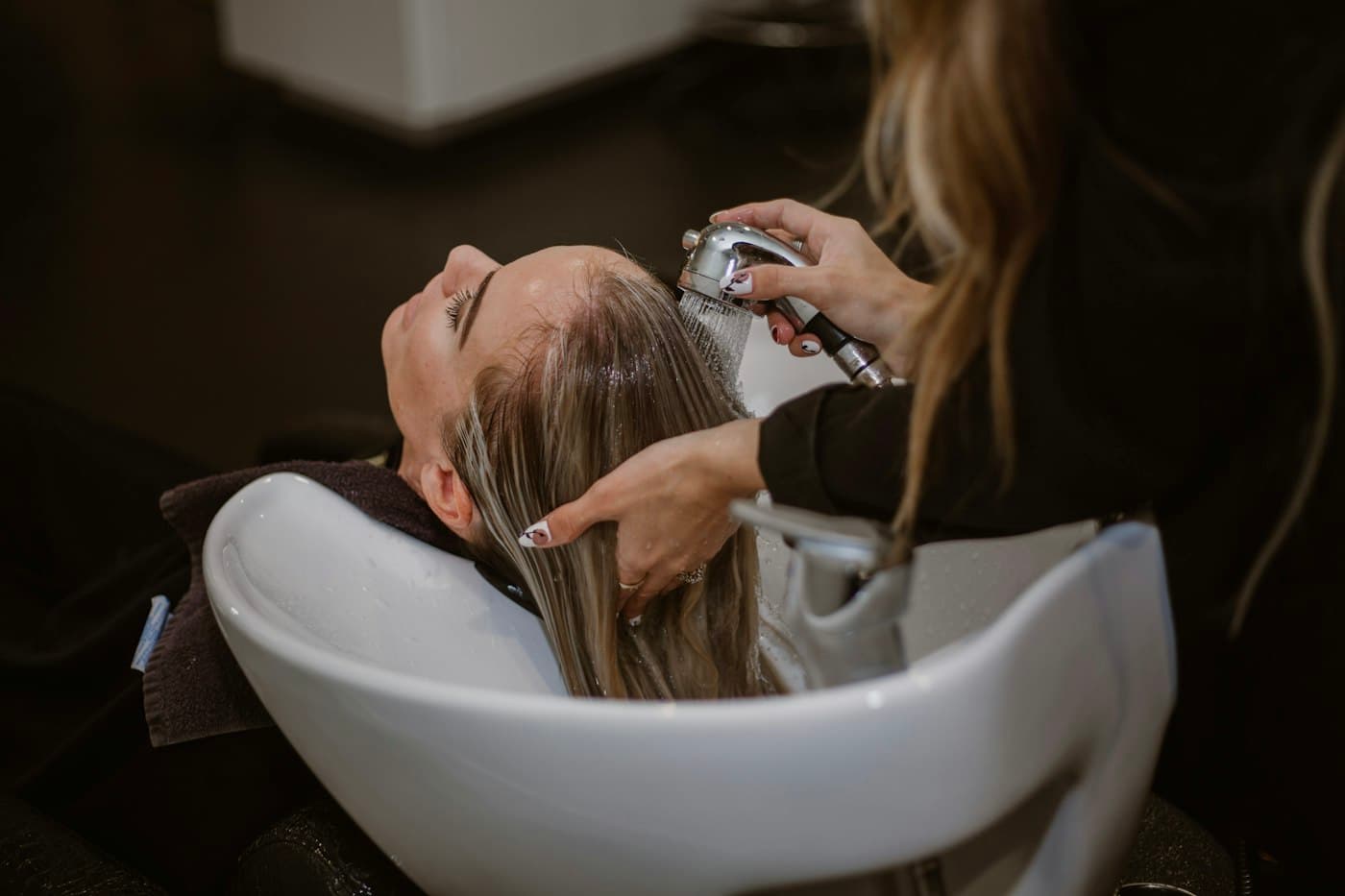
Can you dye your hair while pregnant?
Yes, for most people. ACOG says most experts think hair dye is not toxic for a fetus, because studies in animals show that high doses of the chemicals do not cause serious birth defects and only a small amount is absorbed through the scalp. The NHS says most research shows it is safe to dye or color your hair while pregnant.
ACOG's answer covers permanent, semipermanent and temporary color. MotherToBaby, a service of the Organization of Teratology Information Specialists, says getting hair treatments as directed is not expected to greatly increase the chance of birth defects, against a background of about 3 in 100 babies born with a birth defect each year.
| Treatment | What the guidance says |
|---|---|
| Permanent, semi-permanent or temporary dye | Most experts think it is not toxic for the fetus; little is absorbed through the scalp (ACOG) |
| Highlights and lowlights | Dye goes on the hair, not the scalp, which reduces any risk (NHS, MotherToBaby) |
| Bleach | Same as other hair treatments: not expected to greatly raise the chance of birth defects (MotherToBaby) |
| Henna (pure vegetable dye) | A safer alternative (NHS) |
| Smoothing or straightening treatments | Most release formaldehyde gas when heated; do not apply at home (FDA) |
Is it safe to dye your hair in the first trimester?
The NHS says most research shows hair dye is safe in pregnancy, and that you might decide to wait until after the first 12 weeks, when the risk of chemicals harming the baby is lower. If you are counting toward that point, the trimesters of pregnancy sets out which weeks fall where.
On miscarriage, MotherToBaby says studies in laboratory animals exposed to dyes at levels 100 times higher than people normally use did not suggest a greater chance of miscarriage. MotherToBaby also notes that miscarriage is common and can happen in any pregnancy for many different reasons; miscarriage risk by week gives the figures.
MotherToBaby reports that two studies have suggested links between ingredients in some hair products, such as dye, and lower birth weight, and that one study outside the US suggested weekly hair dye use might raise the chance of stillbirth. It also says it is not known whether hair treatments in pregnancy affect a child's later behavior or learning.
Are highlights safer than all-over color?
The NHS says highlights reduce any risk, because dye that goes only on strands of hair is absorbed by the hair and not by your scalp or bloodstream. MotherToBaby says highlights, lowlights, frosting and streaking put the color directly on the hair shaft without touching the skin.
For all-over color, MotherToBaby says the amount absorbed through healthy, unbroken skin on the scalp is small when the product is used as directed. The NHS adds that your scalp does not absorb much hair dye, especially if it is healthy.
Can you bleach your hair while pregnant?
Bleach falls under the same advice as dye: MotherToBaby includes bleaching among the hair treatments that, done as directed, are not expected to greatly increase the chance of birth defects. Hair bleaching products contain hydrogen peroxide, MotherToBaby notes. MotherSafe, at the Royal Hospital for Women in Randwick, Australia, says exposure to an unborn baby from hair treatments is minimal because they go on the hair and scalp and are not swallowed, and that you can have your hair done in pregnancy without putting your baby at increased risk.
MotherToBaby says chemicals in hair treatments might irritate the skin, nose and throat, and that a strong smell does not mean you have a high level of exposure. The NHS advises gloves because skin can be more easily irritated in pregnancy.
What about hair straightening and smoothing treatments?
The FDA advises against applying hair smoothing or straightening products yourself at home, because most of them release formaldehyde gas into the air when they are heated, usually with a flat iron. The FDA notes that formaldehyde is classed as a known human carcinogen by the International Agency for Research on Cancer, and says that if a salon is not properly ventilated, you, your stylist and others there are at risk of breathing it in.
If you are sensitive to formaldehyde, the FDA says you should not use this type of product. On a label, the FDA says the words formaldehyde, formalin or methylene glycol mean the product contains or releases formaldehyde. MotherToBaby notes that some studies of people who work around formaldehyde have suggested a higher chance of miscarriage.
ACOG warns that products designed to make hair straighter may contain chemicals that are not on the label, and that some have been found to contain toxic chemicals. Chemical relaxers are a separate product; MotherToBaby says they use chemicals such as ammonium thioglycolate or, in older products, sodium hydroxide, and the FDA says relaxers and dyes can hurt your skin, hair and eyes if you are not careful.
How can you lower your exposure when you color your hair?
The NHS and the FDA recommend a few steps that cut down contact with the chemicals and catch a reaction early:
- Do a strand test first, even with a dye you have used before, because the NHS says your hair may react differently in pregnancy.
- Do a patch test on your skin. The FDA says to let a small amount of dye dry on your skin for 48 hours and not to use it if you get a rash.
- At a salon, tell the hairdresser you are pregnant and ask for a patch test, as the NHS suggests.
- Wear gloves, work in a well-ventilated room, leave the dye on no longer than the instructions say, and rinse your scalp well afterwards.
- Do not dye your eyebrows or eyelashes at home. The FDA says this can hurt your eyes.
If you work as a hairdresser, MotherToBaby recommends a well-ventilated workspace, gloves, washing your hands after handling products, frequent breaks, and not eating or drinking at work.
When should you call your doctor or midwife?
- You have a bad reaction to a dye, relaxer or smoothing product, such as itchy or raw skin, scabs or hair loss. The FDA says to stop using the product and call your healthcare provider.
- You had a smoothing treatment and then had eye or throat irritation, headaches, dizziness, wheezing or a rash. The FDA lists these among the reactions to formaldehyde.
- You are worried about a treatment you have already had. The NHS suggests speaking to your midwife or doctor if you are unsure or worried about the risks.
Sources
- ACOGIs it safe to dye my hair during pregnancy?
- ACOGToxic Chemicals: Steps to Stay Safer Before and During Pregnancy
- NHS Best Start in LifeIs hair dye safe in pregnancy?
- MotherToBabyHair Treatments
- MotherSafe, Royal Hospital for WomenSkin Care, Hair Care and Cosmetic Treatments in Pregnancy and Breastfeeding
- FDAFormaldehyde in Hair Smoothing Products: What You Should Know
- FDAHair Dye and Hair Relaxers
Last checked .
Written by the MyPregnancy editorial team from the sources above.